
2026-10-17 ·
Roof Inspection Tips After Hail, Wind, and Storms in Evansville, IN
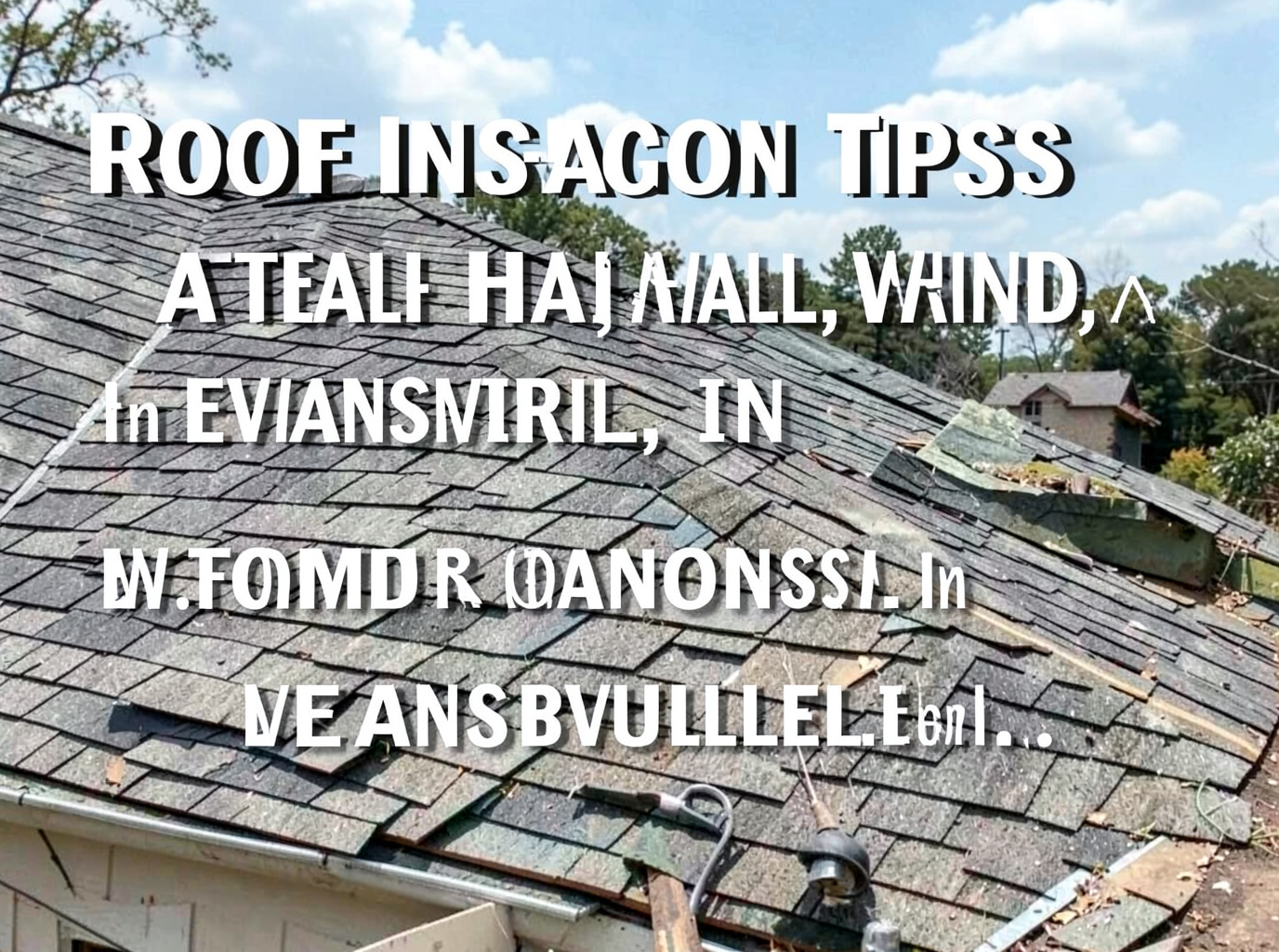
After hail, wind, or storms pass through Evansville, begin your roof inspection by scanning for granule loss on asphalt shingles and checking for dents the size of a quarter or larger, which often appear first on south-facing slopes in neighborhoods like the West Side and East Side.
Spotting Hail Damage on Asphalt Shingles
Hail strikes frequently during spring and summer in Vanderburgh County due to the humid subtropical climate and hot summers that leave shingles softer and more vulnerable. Walk the perimeter first and use binoculars to examine the roof surface for bruised areas where the protective granules have been knocked loose, exposing the mat underneath. On homes in Haynie's Corner or near the Evansville Museum, older asphalt layers may show circular impact marks that feel soft when pressed. Pay close attention to valleys and ridges where hail tends to collect momentum. If you find widespread granule piles in gutters, that signals interior layers are compromised. Document each spot with photos from multiple angles before any rain returns. These steps help determine whether targeted repairs can extend roof life or if full replacement becomes necessary on aging stock common to the area.
Checking Wind Damage Along Edges and Flashing
High winds off the Ohio River Levee often tear at eaves, rakes, and step flashing on Evansville homes, especially those in the Downtown and North Side districts. Start at the ground and look for lifted or missing shingles along the perimeter, then move to metal flashing around chimneys and vents that may have pulled away from the deck. In Princeton or Henderson nearby, similar wind events twist drip edges, allowing water to enter during the next heavy downpour. Check for creased shingles that no longer lie flat and inspect soffits for signs of uplift. Older homes near Mesker Park Zoo frequently have wooden fascia that rots once wind-driven rain penetrates. Note any loose nails or sealant cracks around pipe boots. These edge failures account for most post-storm leaks reported in the county, so addressing them promptly prevents interior damage.
Detecting Storm-Related Leaks and Interior Signs
After storms, examine ceilings and attic spaces in East Evansville homes for water stains that may not show on the roof deck immediately. Humid air following heavy rain can mask slow leaks around skylights or at the Ford Center vicinity where commercial-adjacent roofs meet residential ones. Use a flashlight to trace rafters for dark streaks or mold starting at nail penetrations. In West Evansville properties built on slight slopes toward the river, check for ice dam remnants even in warmer months if prior winter storms left debris. Feel insulation for dampness near the eaves. If stains appear above windows, the issue often traces to damaged step flashing rather than the field shingles. Keep a log of each location and compare it against exterior findings to decide on next steps like targeted fixes.
Knowing When Professional Assessment Is Needed
When inspections reveal damage across more than one slope or when interior stains exceed a few square feet, contact a local roofing contractor based in Evansville for a full evaluation. Homes in Newburgh and surrounding areas often share similar construction, so patterns observed here apply directly. A pro can use moisture meters and drone views to confirm deck integrity that binoculars miss. Review the hail damage roof repair and wind damage roof repair options to understand typical approaches for Vanderburgh County properties. Compare findings against the guidance in Roof Repair vs. Replacement: Signs It May Be Time for a New Roof in Evansville, IN before scheduling work. This measured approach avoids unnecessary full replacements while protecting against the next storm season.